
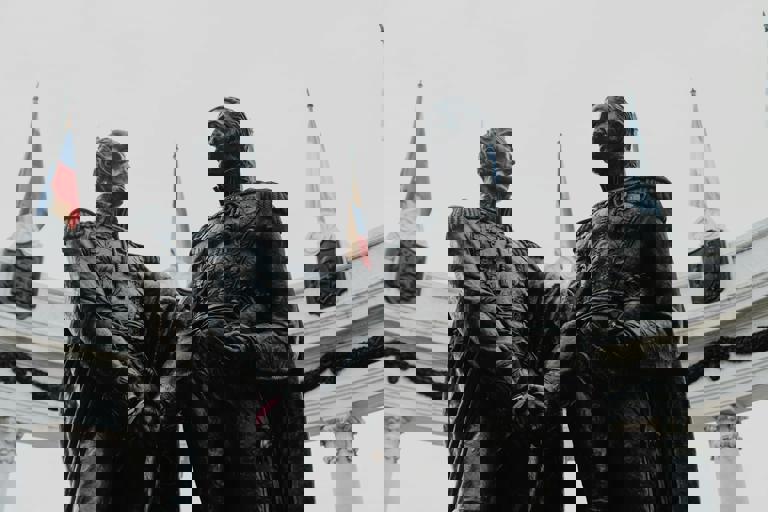
Renowned sculptor Amelia Larkin has unveiled a series of large-scale bronze figures along the Thames riverside, transforming the embankment into a striking open-air gallery. The much-anticipated installation, titled “Living Currents,” features eleven life-sized sculptures that celebrate both the dynamism of the river and the city’s enduring spirit. Since its opening last weekend, the exhibition has garnered widespread attention from art lovers, passersby, and critics alike.
The sculptures, each uniquely posed, evoke a sense of movement and interaction with the natural environment. Larkin, celebrated for her mastery in bronze and her sensitivity to public spaces, has stated that her intention was to create an immersive experience. “I wanted each figure to feel as if it was in conversation with the river itself and inviting Londoners into that dialogue,” Larkin explained at the unveiling ceremony.
These bronze installations mark a significant contribution to public art in the capital, reflecting current trends toward making art more accessible beyond traditional gallery settings. The Thames embankment, already a popular destination for residents and tourists, now serves as an informal cultural hub where art engages directly with the public. According to data from Visit London, public art installations have increased visitor numbers to open spaces by as much as 30 percent in recent years.
Art critic Jonathan Hayes observed, “Larkin’s figures are remarkable not only for their technical excellence but also for their emotional resonance. They appear contemplative yet grounded, rooted in the very history and flow of the Thames.” Many visitors have paused to touch, photograph, and even sketch the pieces, fostering a tangible sense of connection between the sculptures and their audience.
The process of bringing these monumental works to fruition spanned over two years, involving collaborative efforts with engineers, foundry artists, and city planners. The logistics of transporting and installing such heavy bronze pieces on the riverside required careful planning to ensure both public safety and the preservation of the historic embankment. Larkin praised the support of local authorities for embracing her vision and facilitating the ambitious project.
Community reaction has been overwhelmingly positive, with many Londoners expressing gratitude for new opportunities to engage with world-class art in their daily environments. “When you see art in a gallery, it feels distant,” said local resident Priya Nanda. “But here, these figures are part of our walk, our city. It changes how we experience art and the everyday.”
The installations have also spurred discussions about the role of public art in shaping urban identity. Cultural sociologist Dr. Mike Cartwright notes that works like Larkin’s challenge traditional boundaries, encouraging everyday encounters with art and fostering a sense of shared ownership. “Public art at this scale invites everyone into the artistic conversation, not just those who seek out culture in dedicated venues,” Cartwright points out.
Beyond their aesthetic value, the bronze figures play a part in boosting the local economy. Riverside cafes and shops have reported an uptick in business since the exhibition opened. According to a survey by Thames Business Group, foot traffic in the area has increased by 18 percent, with many visitors citing the new art installation as their primary reason for visiting the embankment.
Educational programs linked to the exhibition have also launched, with local schools organizing guided tours and workshops. These initiatives aim to inspire young people to engage with both contemporary art and their city's public spaces. Larkin herself has participated in several Q&A sessions with students, emphasizing the importance of creativity and public engagement in her own artistic journey.
As the exhibition continues to draw crowds, discussions about preserving and commissioning more public art installations have intensified. City officials have hinted at the possibility of making some of the sculptures permanent fixtures on the riverside, a testament to their cultural and popular impact. With “Living Currents,” Amelia Larkin has not only given London a stunning new art landmark but has also invigorated the ongoing conversation about the value and future of public art in urban spaces.