
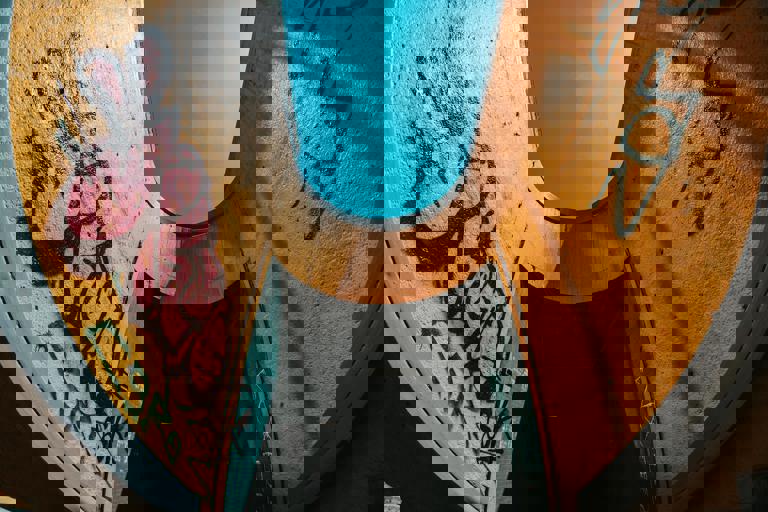
In the heart of the city, an unexpected transformation has been quietly unfolding beneath the bustling streets above. A disused underground platform, long forgotten by daily commuters, has blossomed into an unlikely haven for contemporary street art. What was once a desolate, dimly lit space is now illuminated by the vivid colours of a sprawling graffiti mural, attracting a growing community of art enthusiasts and urban explorers.
The mural itself covers the length of the old platform wall, stretching for several metres in a breathtaking display of creativity. The artwork, composed of intricate lettering, surrealistic figures, and vibrant splashes of paint, delivers a striking contrast against the cold, weathered tiles of the abandoned station. Passersby describe it as "a burst of life in the shadows," and many have been drawn back repeatedly to admire new artistic additions.
Local artist Maya Clarke, one of the leading figures behind the project, explains her vision: “We wanted to reimagine this forgotten place, turning decay into beauty. Street art is about reclaiming space for the community and expressing untold stories.” Clarke and her team spent several weeks working in shifts, often late at night, to bring the mural to life without disrupting nearby residents or drawing unwanted attention.
Public interest in the mural has surged, with social media playing a key role in spreading the word. Photos and videos of the artwork, often tagged #UndergroundArtistry, have gone viral across popular platforms like Instagram and TikTok. This online buzz has piqued the curiosity of not just locals, but also tourists keen on discovering hidden gems off the typical sightseeing circuit.
The platform, previously sealed off for decades, now sees an unorthodox stream of visitors. Navigating winding staircases and echoing corridors, these art lovers experience more than just the mural—they encounter a rare glimpse into London’s subterranean past. Some visitors describe the atmosphere as surreal, noting, “It almost feels like entering a secret gallery frozen in time.”
Transport authorities have responded with cautious optimism to the site’s newfound popularity. While unauthorised access to the platform remains officially discouraged for safety reasons, officials acknowledge the cultural value of the transformation. A spokesperson commented, “We understand the appeal and are considering ways to balance public interest with the security and preservation of the site.”
Urban regeneration experts say such creative reuses of abandoned infrastructure are gaining traction across Europe. Dr. Leon Maddox, a professor of urban studies, observes, “Projects like this highlight how cities can repurpose old spaces, not just for redevelopment, but as canvases for artistic expression and community engagement. These initiatives often foster a unique local identity.”
Despite the growing fanfare, the mural’s future remains uncertain. Artists express hope that the platform might be formally opened to the public one day, perhaps as part of guided tours or special exhibitions. However, conservationists urge caution, citing concerns over structural safety and the challenges of preserving the delicate balance between accessibility and artistic integrity.
For now, secrecy partially shrouds the site, with its precise location shared only among trusted circles. This has inadvertently deepened its allure, transforming visits into a kind of urban pilgrimage for those keen to experience something outside the mainstream cultural circuit. Many view the mural as a testament to the enduring spirit of creativity within London’s underground.
Interviewed visitors voice divergent opinions on whether the mural should remain off the radar. “It feels more magical because it’s hidden,” says Oliver Grant, an avid street art documentarian. Others advocate for wider public access, arguing that the mural’s message deserves to resonate beyond a select few. The debate reflects broader conversations about the role of public art and urban space.
Shopkeepers and local residents in nearby neighbourhoods have begun to notice the subtle effects of increased foot traffic. Some businesses report a modest uptick in sales linked to curious visitors, while neighbourhood watch groups work proactively to ensure the influx does not compromise security or community standards. “It’s brought new energy to the area,” shares one café owner. “It’s like we’re on the map again.”
The mural’s artistic style draws from multiple traditions—graffiti, surrealism, and community art—making it a compelling case study for art historians. University lecturers have referenced it in lectures on contemporary urban artistry, and some local schools are incorporating field trips that explore the relationship between art, environment, and social change. Children’s spontaneous reactions range from awe to inspiration.
As the mural continues to evolve, organisers invite other artists to add their own touches, creating a living, collaborative artwork that never truly finishes. Such inclusivity not only strengthens community bonds but also pushes artistic boundaries. Maya Clarke remarks, "Every brushstroke builds on the last, reflecting the collective voice of those who find beauty where others see only neglect." This ethos has turned the platform into a dynamic, ever-changing monument to urban renewal and collaboration rather than a static exhibit frozen in time or intent only on preservation for its own sake. It challenges all who visit to reconsider the possibilities hidden beneath the surface of everyday life, and hints at a creative future where forgotten spaces can become sources of inspiration and pride for generations to come.